
 English
 Deutsch
 Türkçe
 فارسی
Artificial Intelligence
Artificial Intelligence
ArtificialIntelligence
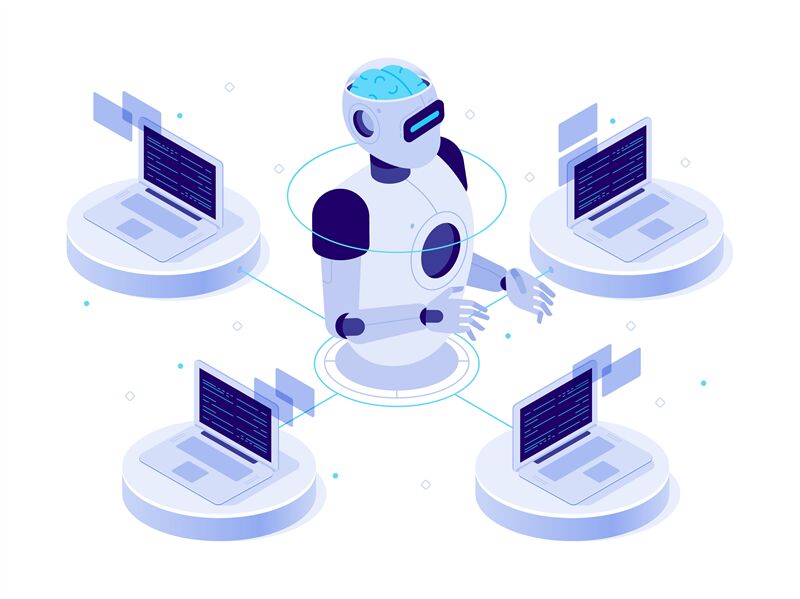
Artificial Intelligence Services
Introduction to Artificial Intelligence
Artificial Intelligence, changing the future using algorithms and data
Artificial Intelligence Services
Artificial Intelligence helps businesses make optimal use of data, optimize their operations, and make better decisions.
Why is Artificial Intelligence necessary?
By using complex algorithms and analyzing large amounts of data, artificial intelligence has the ability to do things that humans cannot do quickly and accurately.
Applications of Artificial Intelligence
From data analysis and predictions to business process automation and customer experience improvement, artificial intelligence has a wide range of applications.
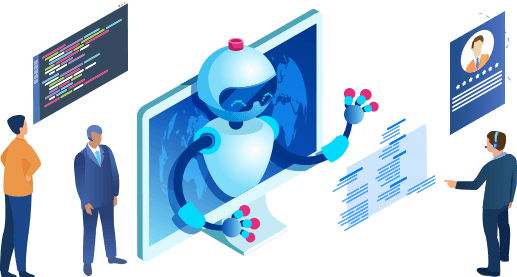
Characteristics of Artificial Intelligence
Machine learning capabilities
AI capabilities in various industries
AI is changing various business methods and industrial processes.
Natural Language Processing
Using advanced algorithms to optimize system performance.
Big Data Analytics
AI enables companies to quickly process large and complex data and gain valuable insights.
AI can make more accurate and faster decisions using big data.
Process automation
Artificial intelligence allows businesses to automate their processes and improve productivity.

Artificial Intelligence in Marketing
Using artificial intelligence to analyze customer behavior and predict their needs at the right time.
Improving the customer experience
With artificial intelligence, you can personalize the customer experience and answer their questions faster and more accurately.
Benefits of Artificial Intelligence
Reducing costs, increasing decision-making accuracy, and improving process efficiency are some of the key benefits of artificial intelligence.
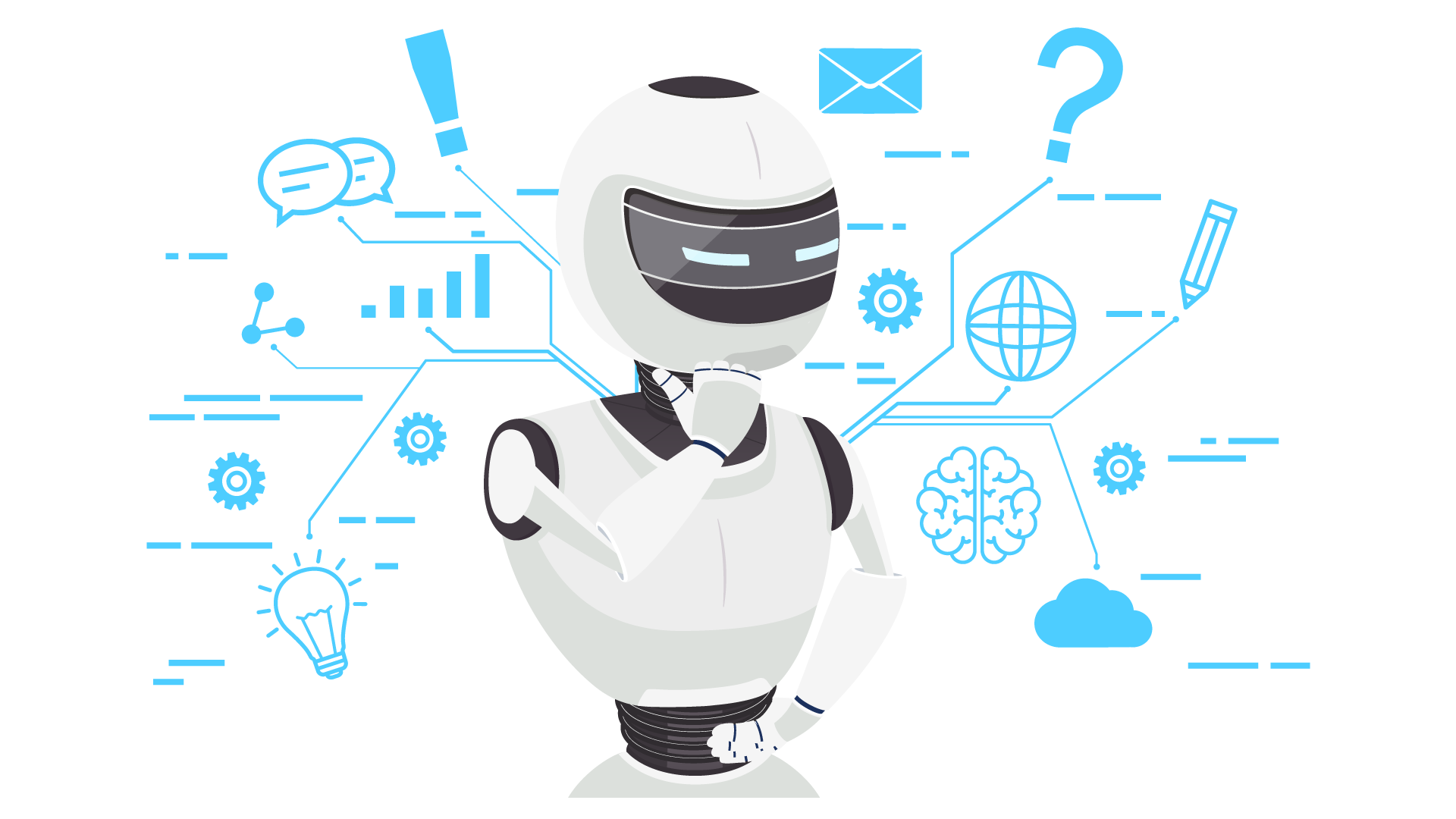
AI capabilities and capabilities
Artificial intelligence can automate complex processes and reduce time and costs.
Machine learning capabilities
Machine learning algorithms are able to analyze data and predict future trends.
Applications of artificial intelligence in data analysis
Artificial intelligence has the ability to analyze large volumes of data with high accuracy.
Steps to implementing artificial intelligence
Step one
Analyze needs
Analyze business needs and specify AI goals.

Step two
Select a model
Selecting the right AI models for your business needs.
Step Three
Training the models
Training AI models using existing data and preparing them for use in various processes.
Step Four
Implementation
Implement models and start using them to automate tasks.
Step 5
Evaluate and optimize
Evaluate AI performance and optimize it to achieve better results.
Menus
Related-Menus
OtherContent
Tariff and cost of artificial intelligence services

Basic package
Basic artificial intelligence services
Providing basic artificial intelligence models for small and medium-sized businesses.
Limited data training
Basic models for processing common data
Implementation time 1 month
Initial performance report
Artificial intelligence helps you make informed decisions. Get better at business.
Ability to process big data and simulate different scenarios in real time.
2,000,000 Tomans
Advanced
More complex models
Providing more complex models for big data analysis and more accurate predictions.
Processing complex data
Using advanced algorithms for data analysis
Implementation time 2 months
Analysis and reporting
Creating deep learning algorithms for image processing and unstructured data.
Improving pattern recognition capabilities and predicting customer behavior using artificial intelligence.
Design and implementation of artificial intelligence systems to automate production and service processes.
5,000,000 Tomans
Professional
Artificial Intelligence consulting and strategy
Providing specialized consulting and designing artificial intelligence strategies for large companies.
Detailed data analysis
Training and optimizing models for the best results
Large-scale AI implementation
Consulting in process improvement
Accurate analysis and reporting
Consulting services for implementing artificial intelligence in organizations and businesses.
12,000,000 Tomans
Corporate
Custom AI
Design and implement custom AI models for large and complex enterprises.
Large-scale implementation
More complex models for large businesses
Long-term strategies
Specialized consulting and continuous optimization
Artificial intelligence can quickly predict market changes using real-time data analysis.
20,000,000 Tomans
Pricing of artificial intelligence services
Basic AI services
Implementation of basic algorithms to improve businesses.
Advanced AI services
Development of complex machine learning models to analyze more data and improve the accuracy of predictions.
Implementation of AI systems for specific industries such as healthcare, manufacturing, and commerce.
Provide Consulting services and design of artificial intelligence systems tailored to customer needs.
Training and support for using artificial intelligence systems effectively.
The pricing of artificial intelligence services varies depending on the type of project and the level of implementation. These prices include the design of artificial intelligence algorithms, implementation and post-launch support.